5 Eco-Friendly Exterior Cleaning Tips for Sunshine Coast Homes
Living in Maroochydore means enjoying beautiful beaches, warm weather and plenty of coastal charm. It also means dealing with salt air, high humidity, regular summer storms and fast-growing mould and algae. All of these take a toll on the outside of your home. Cleaning the exterior is essential for protecting your investment, but the way you clean matters just as much as how often you do it. With the Maroochy River, Mooloolah River and local waterways close by, and stormwater drains that flow straight to the ocean, choosing environmentally responsible methods helps protect the place we all love.
Here are five practical, eco-friendly exterior cleaning tips tailored to Sunshine Coast conditions.
1. Choose Biodegradable, Low-Toxicity Cleaning Products
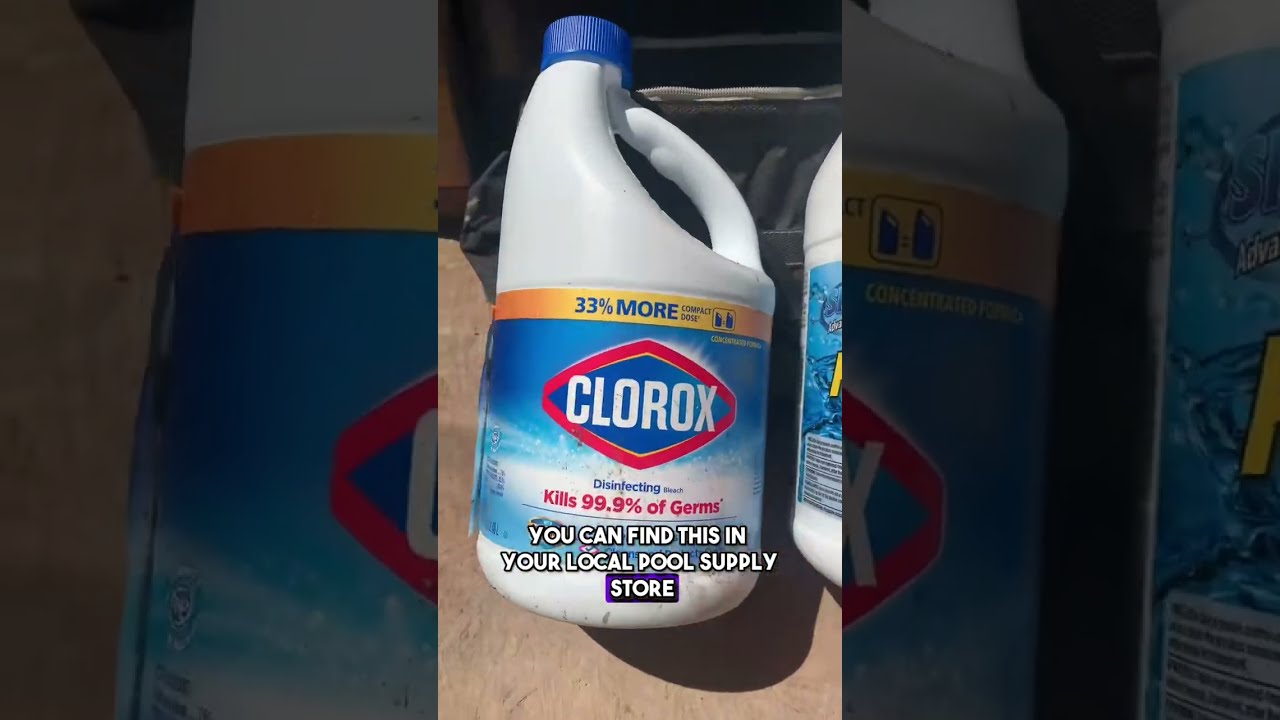
Many conventional exterior cleaners contain harsh chemicals such as chlorine bleach, phosphates and strong solvents. These can harm lawns, garden beds, native plants and aquatic life once they wash into the stormwater system. In Queensland, stormwater is generally not treated before it reaches creeks, rivers and the ocean, so whatever goes down the drain outside your home can end up in local waterways.
What to Look For
When selecting products for your walls, driveway, pavers or outdoor furniture, check the label for these features:
- Biodegradable formulas that break down naturally without leaving harmful residues
- Phosphate-free and chlorine-free ingredients
- Plant-based surfactants rather than petroleum-derived ones
- Low-VOC or no-VOC ratings to reduce air pollution and fumes
- Third-party certifications from recognised Australian or international eco-labelling programs
For light cleaning jobs, simple household ingredients such as white vinegar, bicarbonate of soda and diluted castile soap can be effective. Always test any product on a small, hidden area first, particularly on natural stone, painted surfaces or timber, as some acidic or abrasive solutions can cause damage.
2. Use Soft Washing Instead of High-Pressure Blasting
High-pressure washing is often the default choice for exterior cleaning, but it is not always the best option. Very high pressure can strip paint, etch concrete, damage roof tiles, force water behind cladding and gouge timber decking. It also uses a lot of water and can blast contaminants across your property.
Soft washing uses low pressure combined with targeted, gentle cleaning solutions to break down mould, mildew, algae and grime at the source. This is particularly well suited to Sunshine Coast homes because our humid subtropical climate encourages organic growth on roofs, rendered walls, weatherboards and shaded outdoor areas.
Benefits of Soft Washing
- Gentler on roofing, render, paint and cladding, helping materials last longer
- Lower water consumption than prolonged high-pressure cleaning
- Treats the root of mould and algae, so results often last longer than surface blasting
- Reduces the risk of water intrusion into walls, eaves and window frames
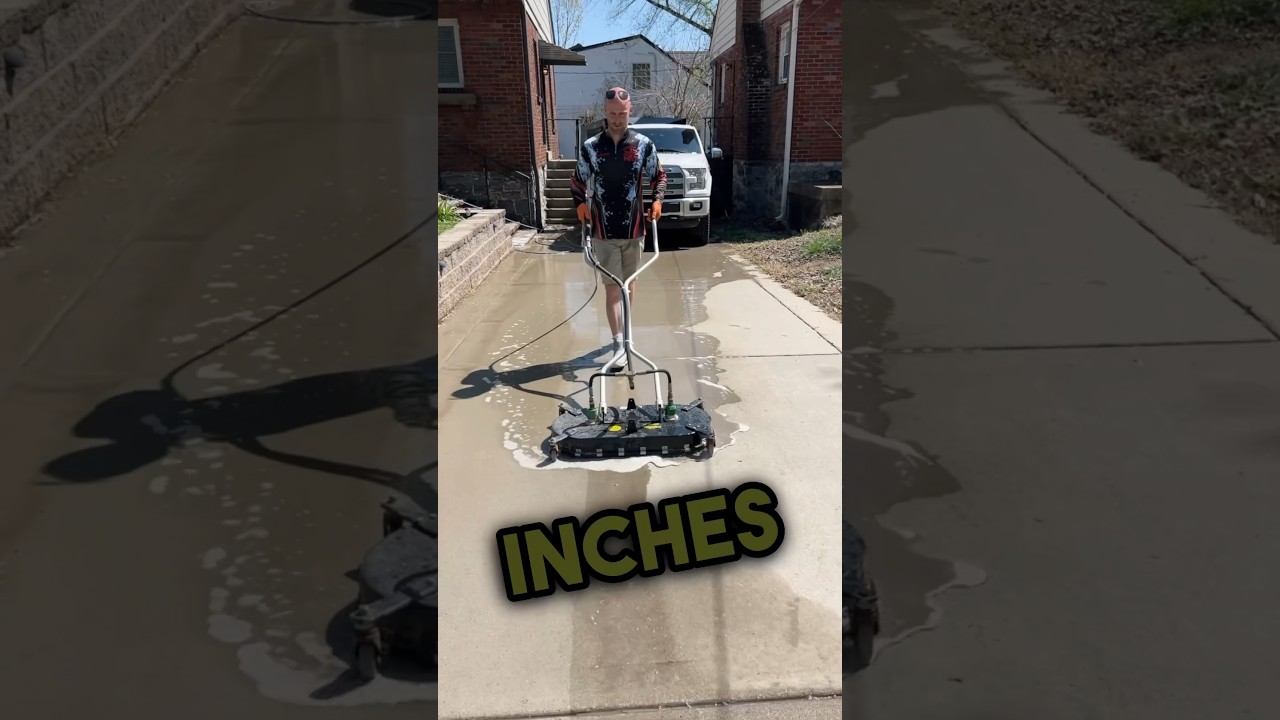
Pressure cleaning still has its place for tough jobs like oil-stained driveways or heavily soiled concrete, but using the lowest effective pressure and a suitable nozzle helps protect both your home and the environment.
3. Capture and Manage Wastewater Responsibly
One of the most overlooked parts of eco-friendly cleaning is what happens to the dirty water afterwards. Runoff from exterior cleaning can contain dirt, oils, heavy metals from roofing and paint particles, along with any cleaning products used. Under Queensland environmental legislation, it is an offence to allow contaminants to enter https://shaneuvig038.yousher.com/how-often-should-maroochydore-cafes-wash-outdoor-dining-areas stormwater drains, so responsible wastewater handling is both good practice and a legal consideration.
Practical Steps for Homeowners
- Direct runoff onto lawn or garden beds where soil can filter it, but only when using plant-safe, biodegradable products
- Block nearby stormwater drains with drain covers or sandbags while you work
- Use a wet vacuum to collect water from patios, driveways and hard surfaces where possible
- Sweep up solid debris first and dispose of it in your general waste or green waste, rather than hosing it into the gutter
If you hire a professional cleaner, ask how they manage wastewater. Reputable operators use containment methods, recovery equipment and suitable disposal practices, particularly when cleaning commercial properties, units and larger driveways in built-up areas around Maroochydore.
4. Conserve Water and Time Your Cleaning Wisely
Water is a valuable resource, even in a region with generous summer rainfall. Being water-wise when cleaning your home's exterior reduces both your environmental footprint and your water bill.
Here are some simple ways to use less water:
- Use a rainwater tank if you have one. Rainwater is ideal for washing windows, outdoor furniture and vehicles, and many Sunshine Coast properties already have tanks installed.
- Pre-sweep and pre-treat surfaces so less rinsing is needed. Allow a gentle cleaner to work on mould or stains rather than relying on volume of water.
- Use a trigger nozzle on your hose so water only flows when you need it.
- Choose the right time of day. Early morning or late afternoon limits evaporation and prevents cleaning solutions from drying too quickly on the surface, which can cause streaking.
- Check local water restrictions. Water use guidelines can change, so check current Unitywater and Sunshine Coast Council advice before starting a large cleaning project.
Timing also matters for weather. Avoid cleaning just before heavy rain, as runoff will carry residue into drains faster. Plan around the Sunshine Coast's wet season, typically peaking from December through March, and take advantage of the drier, milder months for larger projects.
5. Prevent Regrowth with Ongoing, Low-Impact Maintenance
The most eco-friendly cleaning is the cleaning you do less often. In a coastal, humid environment like Maroochydore, mould, algae and salt build-up return quickly if surfaces stay damp and shaded. A few preventative habits can extend the time between deep cleans and reduce your reliance on stronger treatments.
Simple Prevention Strategies
- Trim back overhanging branches and vegetation to increase sunlight and airflow around walls, roofs and paved areas
- Clean gutters regularly so water drains properly and does not overflow onto walls and eaves
- Rinse salt residue from windows, balustrades, outdoor furniture and metal fixtures with fresh water, especially if you live close to the beach
- Use a soft broom for weekly sweeping of patios, entryways and driveways to prevent organic matter from building up
- Apply breathable sealants to pavers, concrete and timber where appropriate to reduce staining and moisture absorption
- Repaint with mould-resistant, low-VOC paints when the time comes for a refresh
Regular light maintenance also helps you spot issues early, such as cracked tiles, peeling paint or damp patches, before they turn into costly repairs.

When to Call a Local Professional
While many tasks can be handled as a DIY project, some jobs are best left to trained professionals. Roof cleaning, multi-storey washing and treatment of heavily affected surfaces involve safety risks and technical knowledge. A qualified local cleaner will understand Sunshine Coast conditions, know which materials are common in the area and use methods that comply with environmental requirements.
When choosing a provider in Maroochydore, consider asking:
- Do you use biodegradable or low-impact cleaning solutions?
- How do you manage and dispose of wastewater?
- Do you use soft washing for roofs and delicate surfaces?
- Are you fully insured and do you follow current work health and safety practices?
Final Thoughts
Keeping your home looking fresh and protecting the Sunshine Coast environment can go hand in hand. By choosing biodegradable products, favouring soft washing, managing wastewater, conserving water and investing in preventative maintenance, you can keep your property in excellent condition while helping safeguard local waterways, wildlife and beaches. As awareness of sustainable home care continues to grow in 2026 and into 2027 and beyond, these small, practical choices make a lasting difference for Maroochydore homes and the community around them.
Maroochydore Pressure Cleaning